Patient education
The material you hand over, that patients actually read and keep.
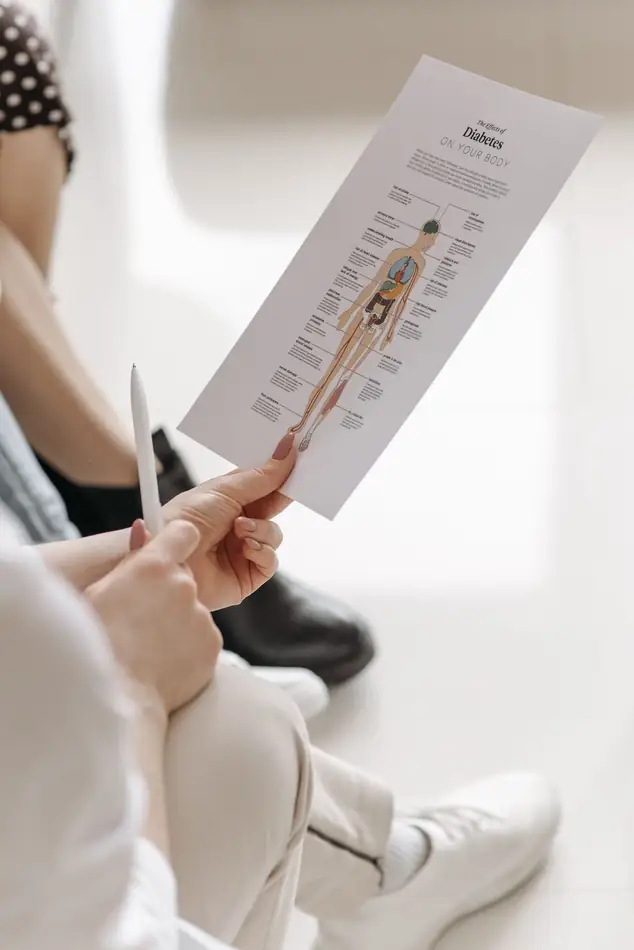 Content
What it is
Pre-treatment instructions, aftercare, condition explanations and consent-supporting material — written to be read by somebody anxious, in a hurry, possibly on a phone in a car park.
Why it matters
Most patient information is written to protect the clinic rather than to inform the patient, and it shows. The result is a leaflet nobody reads and a phone call the next morning asking the question the leaflet answered.
How we do it
Short, sequenced, and specific. What to do, when, and what would make you ring us. Delivered on paper and to the patient portal, so it is still there at eleven at night when it is actually needed.
Included, every time.
- Pre-treatment and aftercare material
- Condition explanations in plain words
- Consent-supporting information
- Delivered on paper and to the portal
- Versioned, so you know what a patient was given
Said plainly.
- Not a wall of text written to reduce liability.
- Not a substitute for the consent conversation.
What this changes in a private practice.
Fewer repeated explanations
The same six questions come after every procedure. Answered once, properly, in writing they can re-read at home, they stop arriving as calls.
Better consent conversations
A patient who has read a clear explanation before the appointment arrives with sharper questions, and the consultation becomes a discussion rather than a briefing.
Adherence you can see
Aftercare instructions people actually understand are followed more often, and that shows up in complications and follow-up load rather than in a satisfaction score.
Modern private practice
Written information is moving from a leaflet handed over at the door to something sent before the appointment, available in the portal, and readable on a phone. Reading age matters more than completeness — material pitched too high is not read at all.
Useful, and bounded
AI is genuinely good at reading level: rewriting the same content for a worried patient, for a relative, and for a referring clinician, and translating it without losing the caveats. Every version is still checked by a clinician before it goes out, because a mistranslated dose is not a content problem.